Kamirita Sherpa Sets New Record: Conquers Everest for 28th Time in Historic Achievement

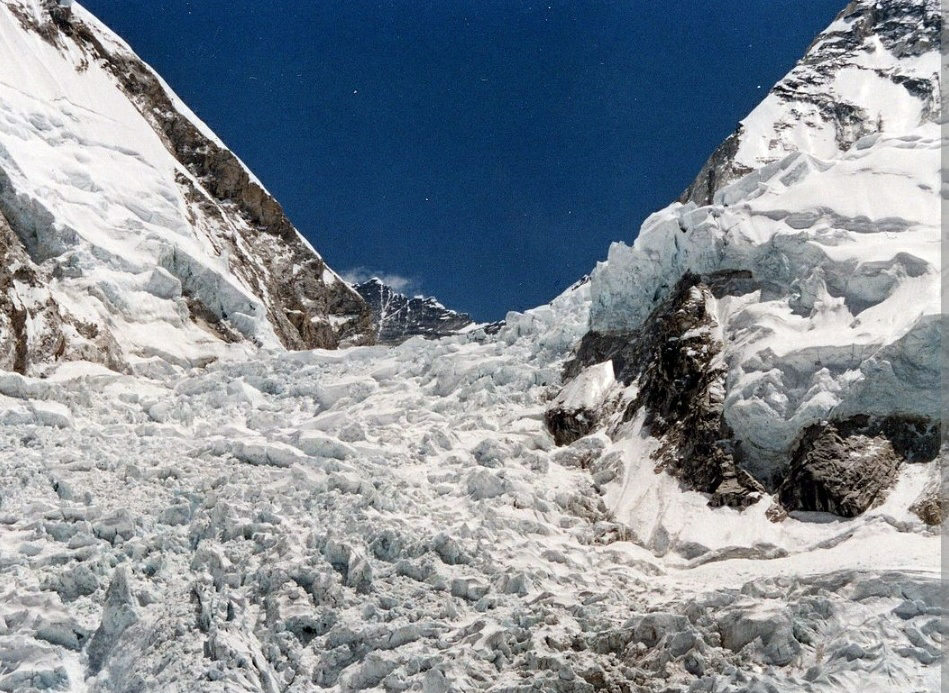
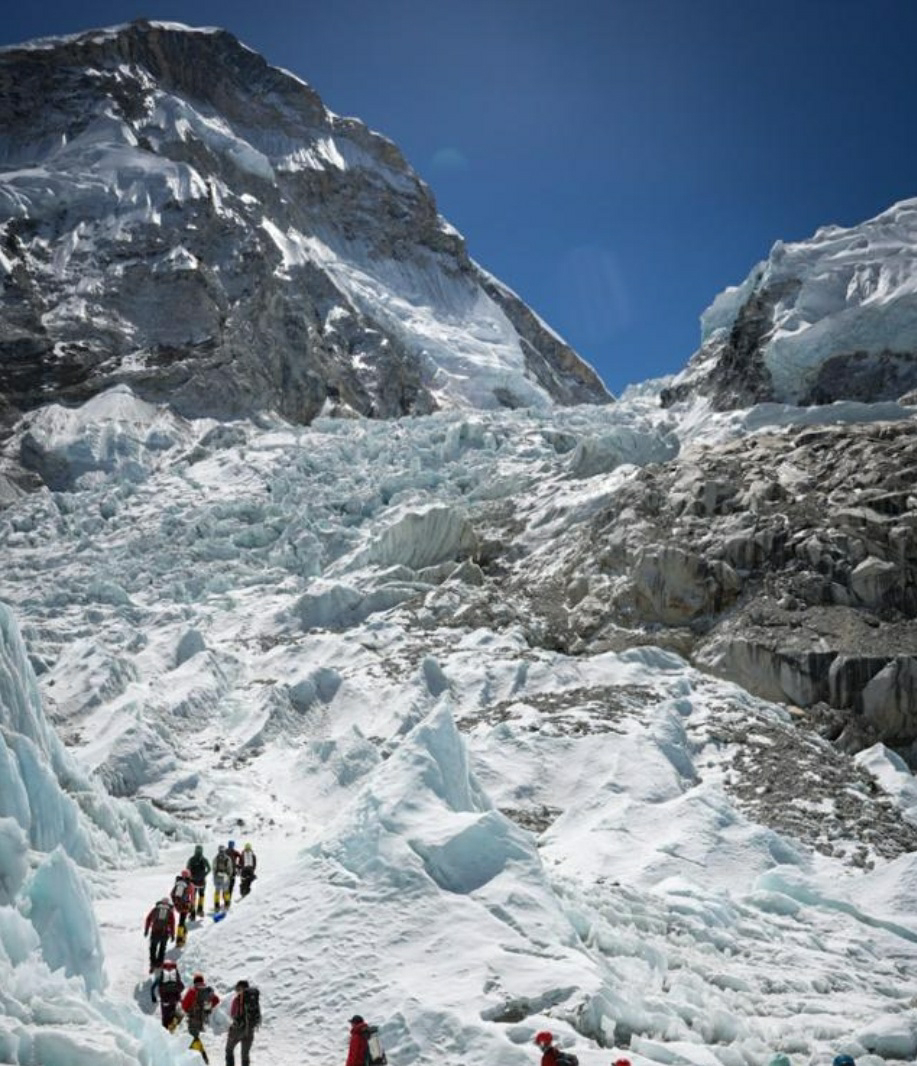
Despite the ongoing search and rescue operations, the process of route fixing to the summit of Mt Sagarmatha will continue. The Department of Tourism will hold discussions before making any further decisions on the search mission. With the spring climbing season in full swing, as many as 243 climbers have received permission to climb the world's tallest peak, including 41 women and 202 men. The total royalties collected this season for issuing permits to climb Mt Sagarmatha alone exceeds Rs 334 million.
Three Sherpa climbers have gone missing in a crevasse on their way to Camp I from the base camp, according to a source at the base camp.
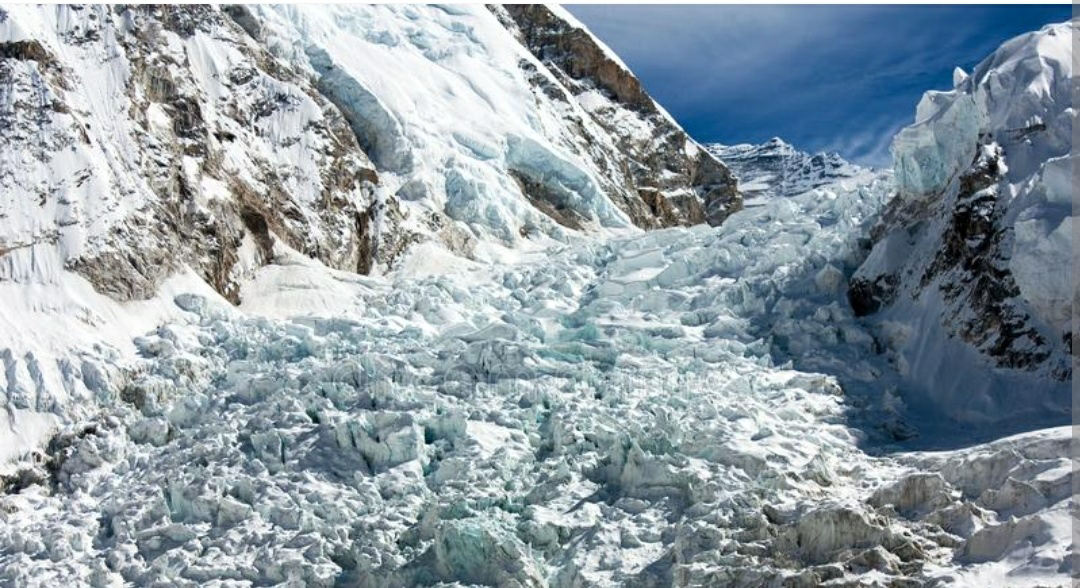
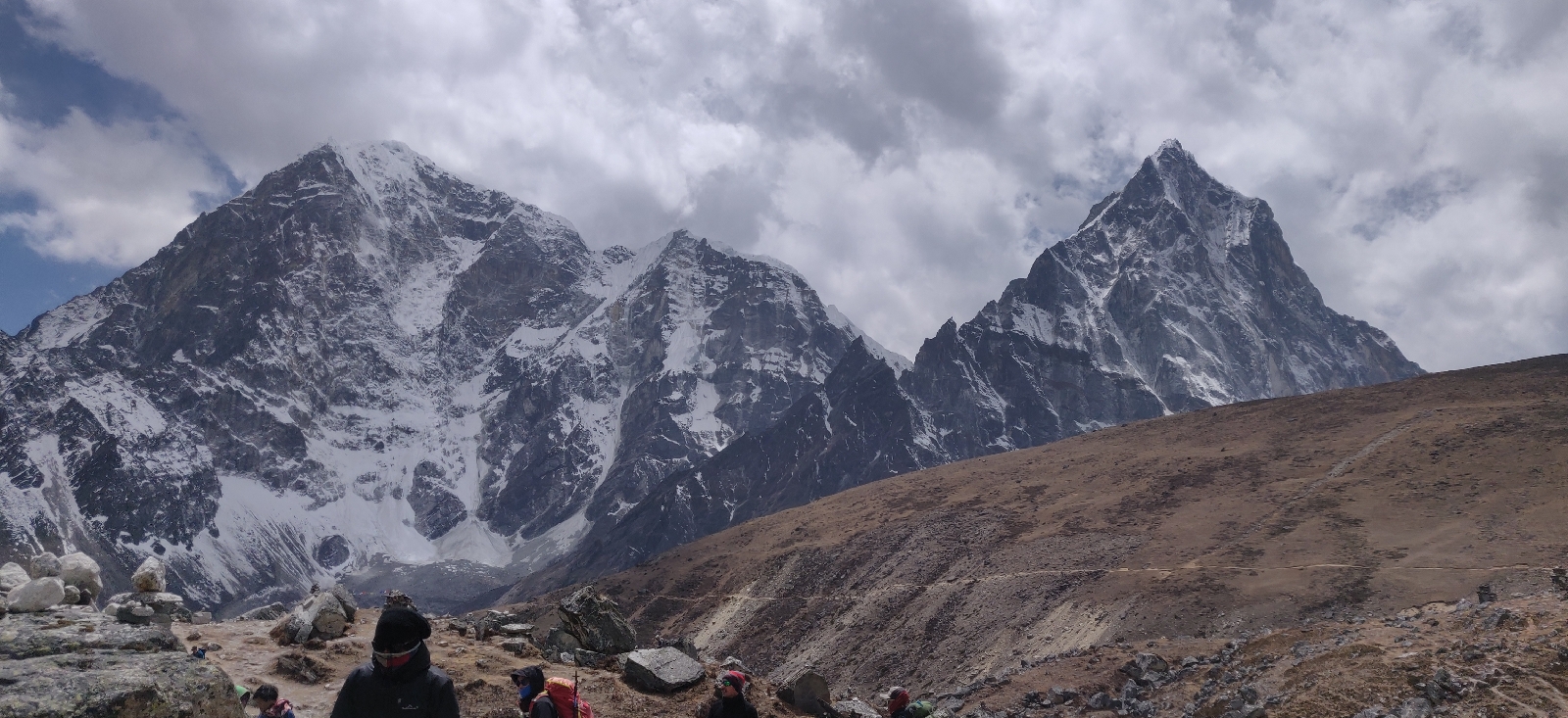
According to Ram Kishor Shah, a spokesperson for the police office, Ishiba was last seen entering the checkpoint of Namche Chekpost in ward number 5 of Khumbu Pasang Lhamu Rural Municipality on Chaitra 8. On the same night, he stayed at the Chukung Resort in ward number 4 of the rural municipality and expressed his intention to go to Lobuche from there on Chaitra 9, saying he was going for a walk. However, he has not been heard from since, and news of his disappearance was reported to the police through the embassy as he was out of contact.
Temporary police posts in Dingboche and locals searched for him, but the district police office in Solukhumbu has been informed that the search has been intensified
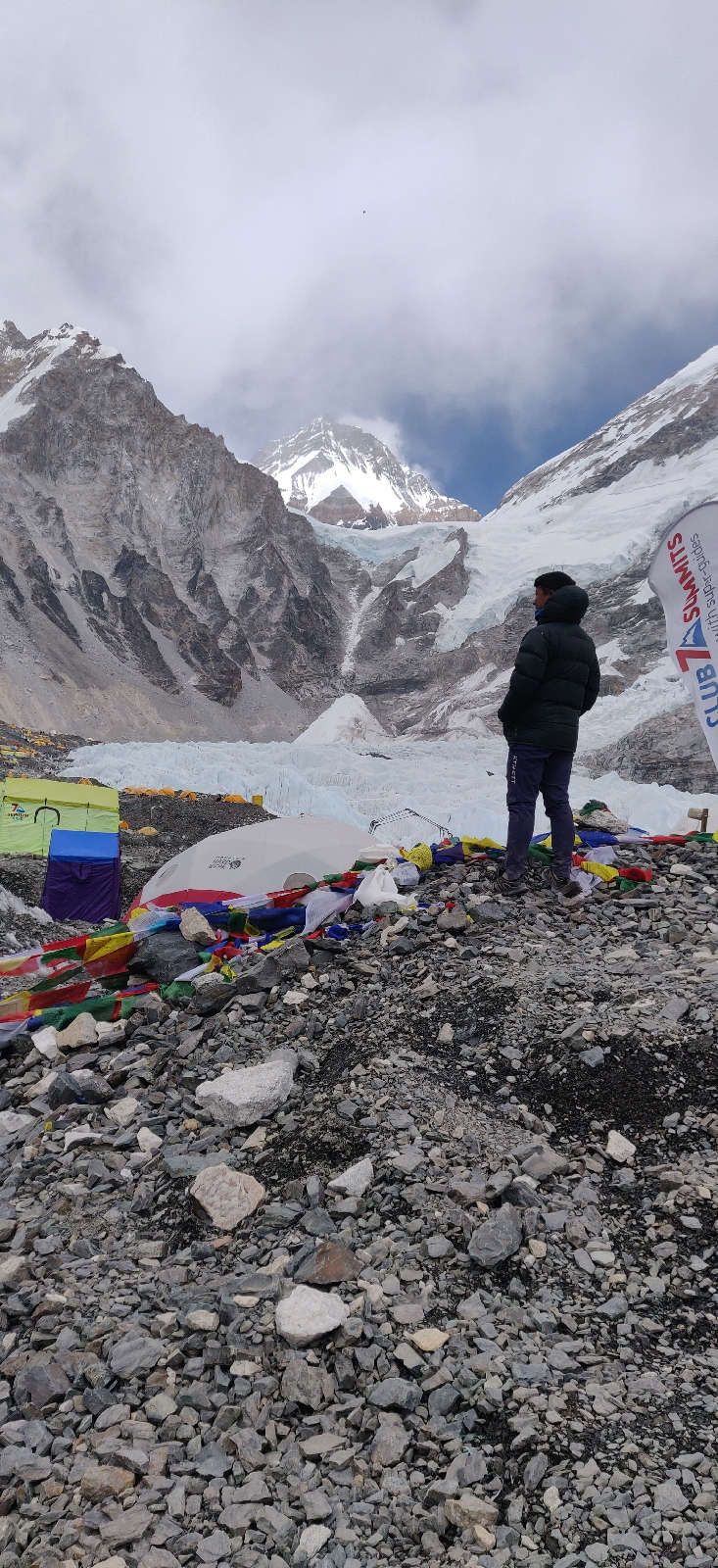
However, the Khumbu Pasang Lhamu Rural Municipality has said that a guide is not mandatory for trekking in the area, but it has advised trekkers to take a guide for their safety during high-altitude trekking. According to the board's decision, all trekkers must travel with a trekking guide from April, and the board will issue a trekking information management system (TIMS) card at a fixed price to all trekkers who need it. But, the local authorities will issue a trekking card costing NPR 2,000 for trekkers in the Khumbu region.
National Parks have also increased the entry fee for foreigners to NPR 3,000, while local tourists will have to pay NPR 1,000. The government has also increased the rescue insurance fee to NPR 1,000 for local tourists and NPR 4,000 for foreign tourists. The decision was made to cover the cost of rescuing injured tourists in the mountainous regions

According to sources, the pilot did not provide correct information to the air traffic controller (ATC). The Authority suspended the three pilots from their respective companies on Thursday. The other two pilots are from Air Dynasty and Fishtail Air, who were allegedly flying a helicopter in the 'Paragliding Zone' in Pokhara.
The Authority has summoned all three pilots to issue a statement. Information officer Jnanendra Bhul informed that a decision regarding the pilots will be made only after receiving their statements.
*Note: The mention of inappropriate language used by the pilot in the previous news has been removed
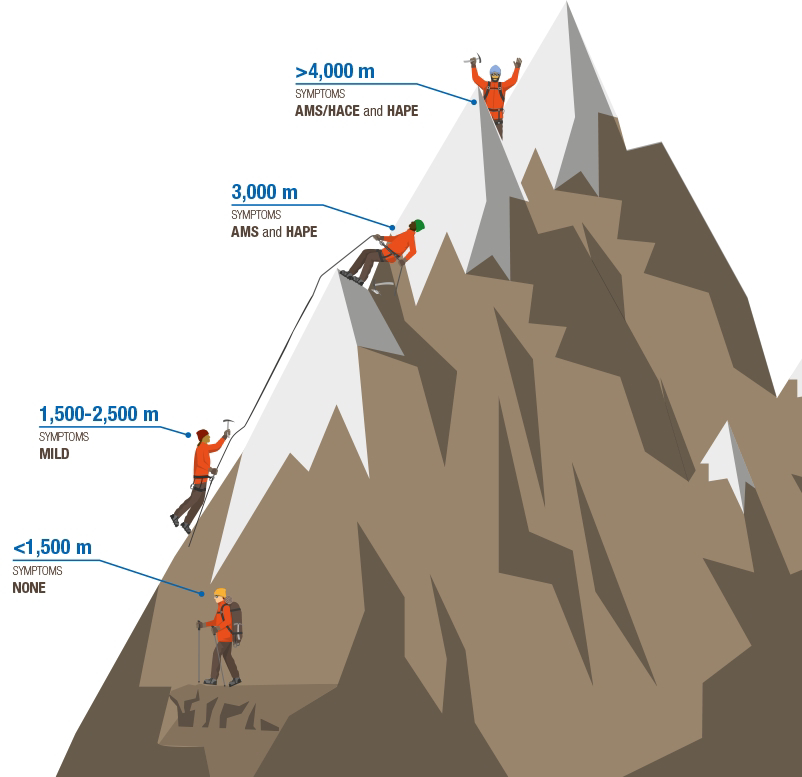
A 68-year-old slovakian tourist lost his life while trekking in the Solukhumbu region of Nepal. The incident occurred on Monday night in the Gorak Shep area of Khumbu Pasanglhamu Rural Municipality-4. According to the District Police Office, Solukhumbu, the tourist died due to altitude Sickness.
The police inspector and information officer, Ram Kishor Sah, informed that the region has been facing difficulties in rescue operations due to continuous snowfall. The communication services in the area have also been affected by the heavy snowfall.
The deceased tourist had come to Nepal for traditional adventure activities, including Himalayan mountaineering. He was staying at the Himalayan Hotel in Khumbu Pasanglhamu Rural Municipality-4. The Deputy Superintendent of Police, Dipak Shrestha, informed that the tourist was found dead in his room.
The group of 13 tourists, including the deceased, had entered the Namche area on Chaitra 1. However, due to adverse weather conditions, the rescue operation faced difficulties in retrieving the body. The police have stated that the rescue operation in the Khumbu region is possible only by helicopter on Wednesdays during the snowfall.
This incident highlights the importance of safety precautions for tourists traveling to remote regions of Nepal. It is also a reminder of the need for adequate measures to be taken to ensure the safety of foreign tourists during adventure activities.