Himalayan News Hub

EVEREST & SHERPA

Articles • News • Culture

Scaling the Heights: Celebrating Everest Day and Humanity's Indomitable Spirit

Every year on May 29th, mountaineers, adventurers, and enthusiasts from around the world gather to celebrate Everest Day, a commemoration of the first successful ascent of Mount Everest. This extraordinary day marks the indomitable human spirit and the relentless pursuit of conquering the highest peaks on our planet. With the majestic Everest as its backdrop, Everest Day is a testament to the triumph of human courage, determination, and the unyielding quest for exploration. Join us as we delve into the significance of Everest Day and the remarkable tales of those who have braved the mighty mountain.
  1. The Historic Triumph of Sir Edmund Hillary and Tenzing Norgay: On May 29, 1953, Sir Edmund Hillary, a New Zealand mountaineer, and Tenzing Norgay, a Sherpa guide from Nepal, etched their names in the annals of history by becoming the first individuals to summit Mount Everest. Their awe-inspiring feat captured the imagination of people worldwide, inspiring countless others to follow in their footsteps. Everest Day honors their audacity, resilience, and the bond of friendship forged atop the world's highest peak.

  2. Paying Homage to the Sherpa Community: Everest Day also serves as an opportunity to recognize the invaluable contributions of the Sherpa community, an ethnic group renowned for their mountaineering expertise and unparalleled support in the Himalayas. Sherpas play an indispensable role in ensuring the safety and success of climbers, serving as guides, porters, and caretakers. Their unwavering dedication and profound connection to the mountains make them an integral part of the Everest legacy.

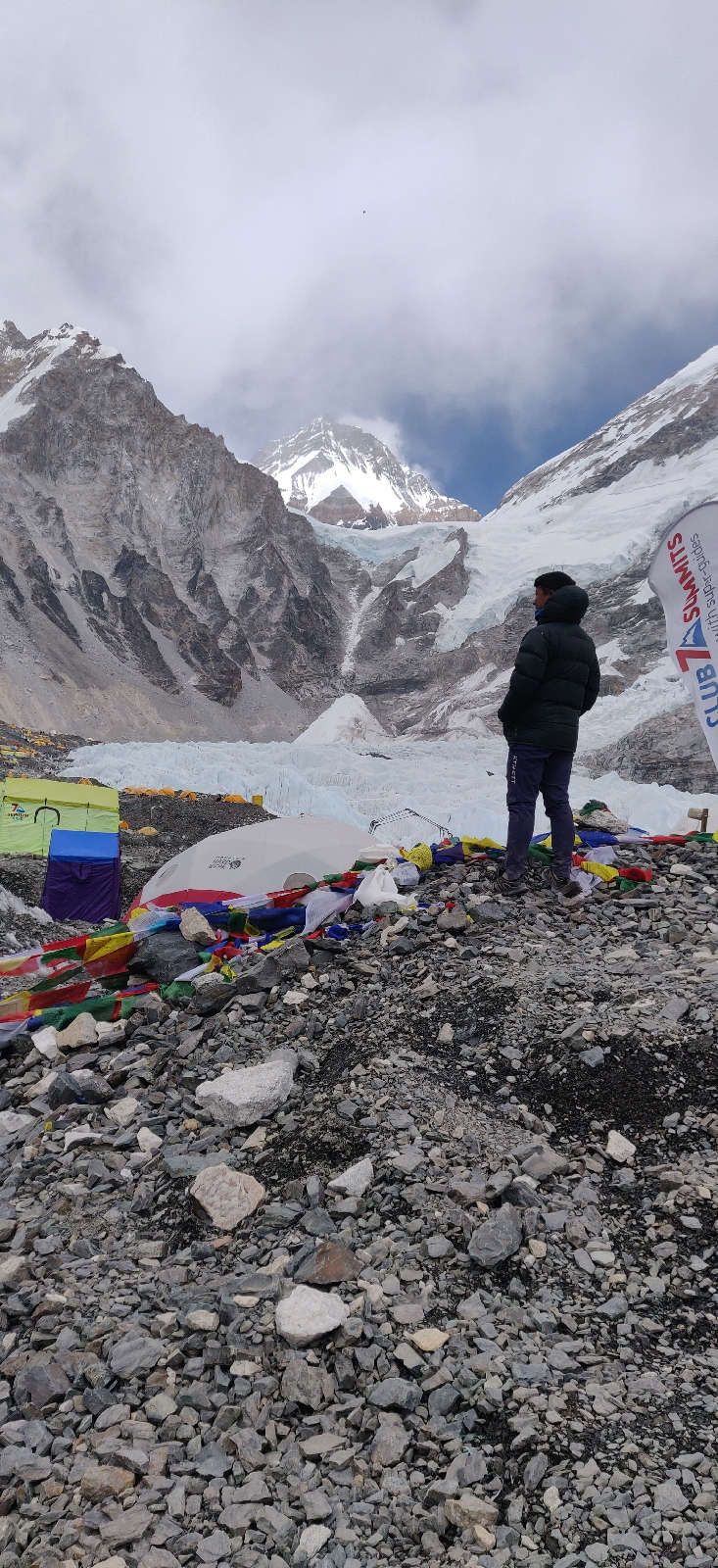
  3. A Global Gathering of Adventurers: Each year, Everest Day attracts a diverse congregation of mountaineers, adventurers, and nature enthusiasts who congregate at Everest Base Camp to pay homage to the mountain and its conquerors. This vibrant gathering fosters a sense of camaraderie and kinship among individuals with a shared passion for exploration and adventure. It is a time for exchanging stories, sharing experiences, and forging lasting connections amidst the awe-inspiring grandeur of the Himalayas.

  4. Overcoming Challenges and Inspiring Endeavors: The celebration of Everest Day is a testament to the human spirit's triumph over adversity and the relentless pursuit of personal and collective goals. Mount Everest represents the epitome of challenge, requiring climbers to endure extreme weather conditions, altitude sickness, and physical exhaustion. The tales of perseverance, courage, and determination that emerge from these arduous journeys continue to inspire individuals worldwide to push their own boundaries and strive for greatness.

  5. Environmental Consciousness and Sustainability: As Everest Day gains prominence, there is an increasing emphasis on environmental consciousness and sustainability. The mountaineering community, along with environmental organizations, recognizes the need to protect the fragile ecosystem of the Everest region. Efforts are being made to minimize the environmental impact, promote responsible trekking practices, and raise awareness about the importance of preserving the Himalayan ecosystem for future generations.

 Everest Day stands as a powerful symbol of human ambition, resilience, and the unbreakable bond between mankind and nature. It commemorates the historic achievement of Sir Edmund Hillary and Tenzing Norgay, while also acknowledging the contributions of the Sherpa community and the global mountaineering fraternity. As we celebrate Everest Day, let us remember the invaluable life lessons this mighty mountain imparts: the strength of the human spirit, the beauty of collective endeavor, and the profound importance of preserving and respecting our natural world.
Solo Hungarian Climber Missing in Everest's Hillary Step Area: Search Efforts Underway Amid Challenging Weather Conditions


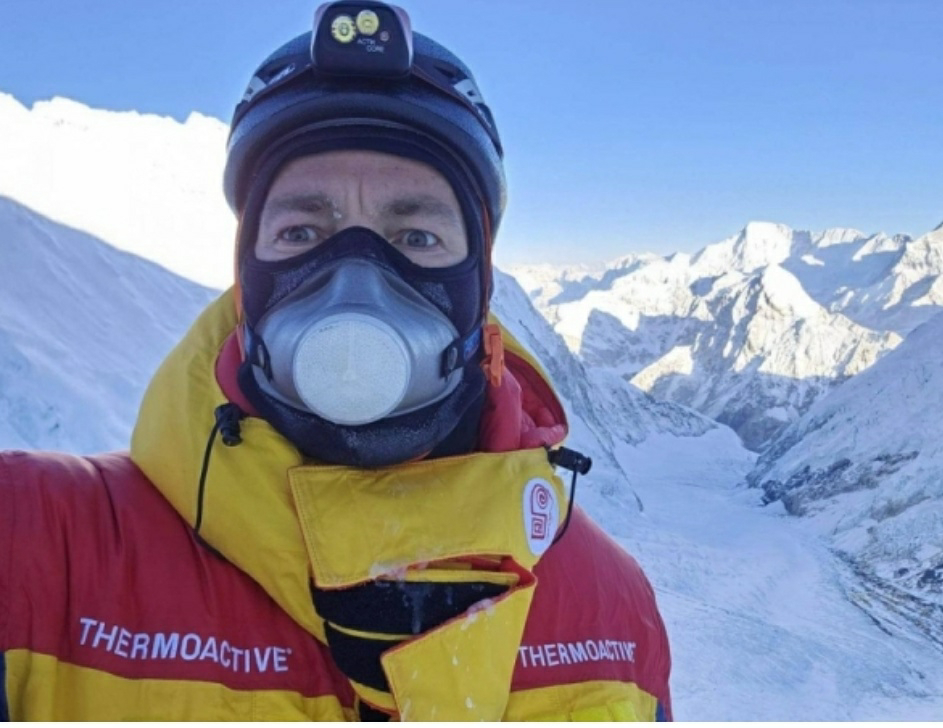
KATHMANDU, MAY 25 - A Hungarian climber has lost contact in the Hillary Step area above 8,000m on Mount Everest since yesterday. Suhajda Szilard, who embarked on the challenging ascent without supplemental oxygen or personal Sherpa support, is reported missing by the expedition organizer.

Thaneswar Guragai, General Manager at Seven Summit Treks, stated that Szilard was alone during the climb, and his last known location was the Hillary Step. The team had received his GPS tracking record at 8,700m, but there have been no further signals since then.

Szilard, known for his preference for alpine-style climbing, had previously undertaken similar expeditions on Lhotse, K2, and Broadpeak. This time, he had only requested base camp support from the organizers. Guragai mentioned that search efforts for the missing climber are currently underway, although adverse weather conditions have been hampering progress in the higher camps since this morning.

Free Research Preview. ChatGPT may pro

Kamirita Sherpa Sets New Record: Conquers Everest for 28th Time in Historic Achievement

In an astounding feat of mountaineering prowess, Kamirita Sherpa from Solukhumbu has scaled the summit of Everest for the second time within a week. Following his triumphant ascent on Wednesday, June 3, where he reached the peak and returned, Sherpa embarked on another daring climb on Tuesday morning. Today, with his remarkable 28th ascent of Mount Everest, he has established an unparalleled record for conquering the world's highest mountain the most times. This extraordinary achievement places Sherpa in a league of his own, surpassing his own previous record of 27 ascents, which was equaled by Pasang Dawa Sherpa of Solukhumbu's Pangboche. The Sherpa community, led by Migma Sherpa, president of Seven Summit Treks Pvt., stands in awe of these two exceptional climbers, who have elevated the art of mountaineering to new heights.

Search for Missing Sherpa Climbers Yields No Results After Avalanche in Khumbu Icefall Region

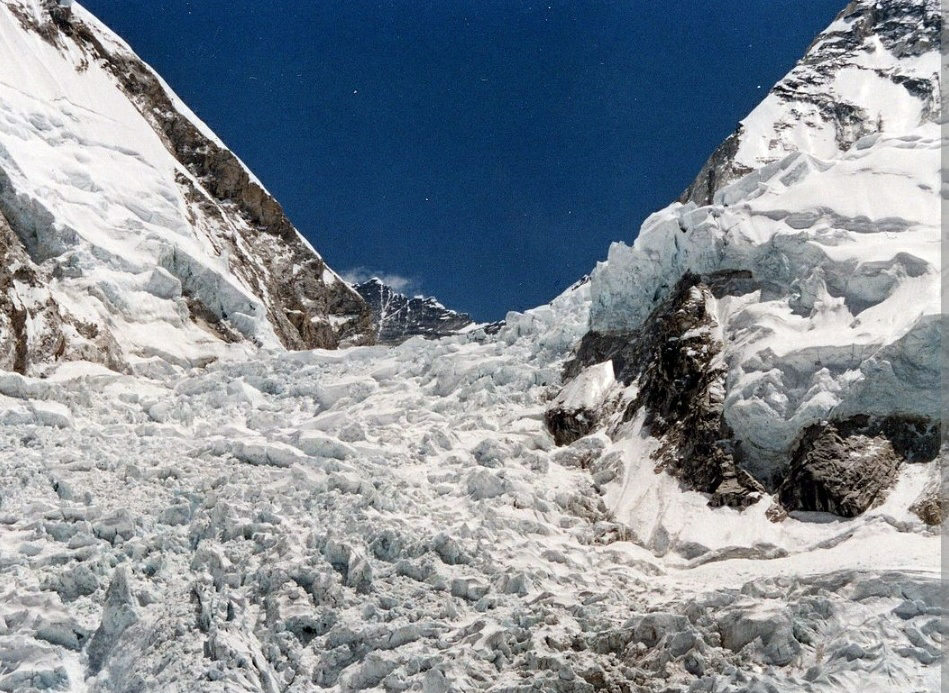
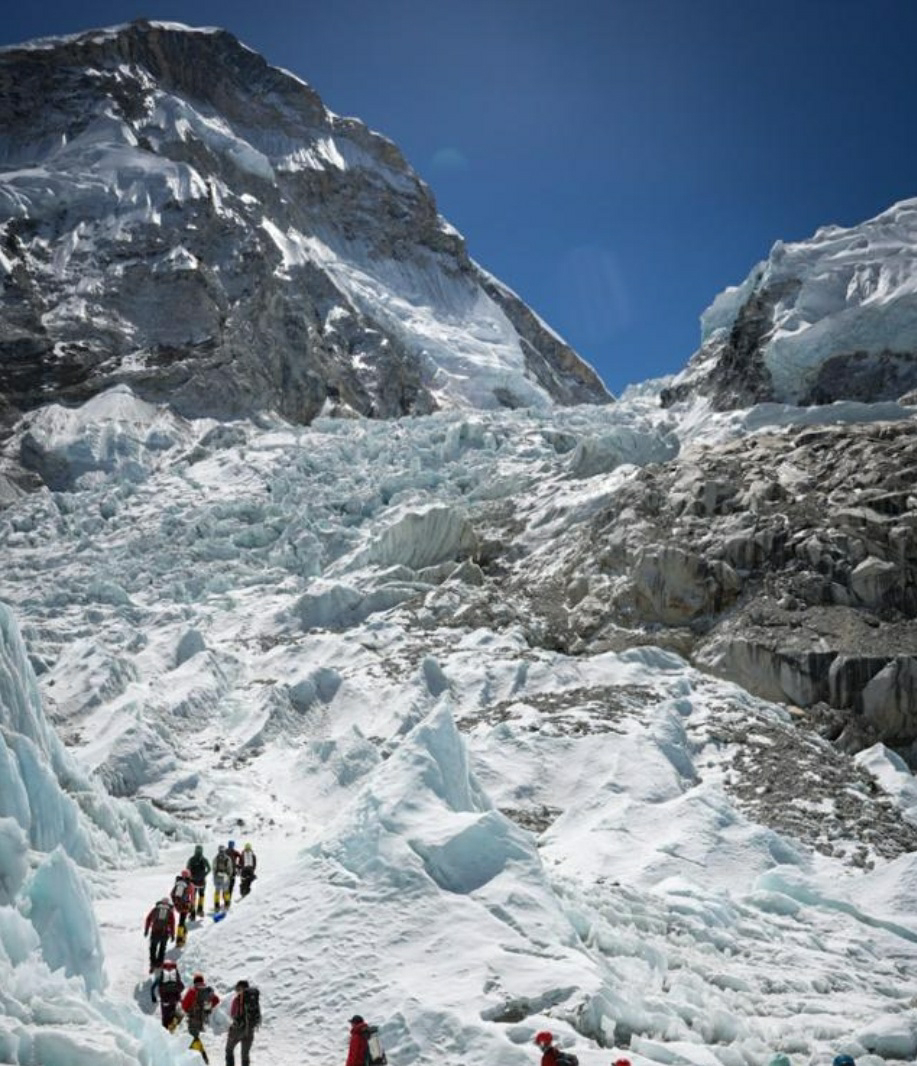
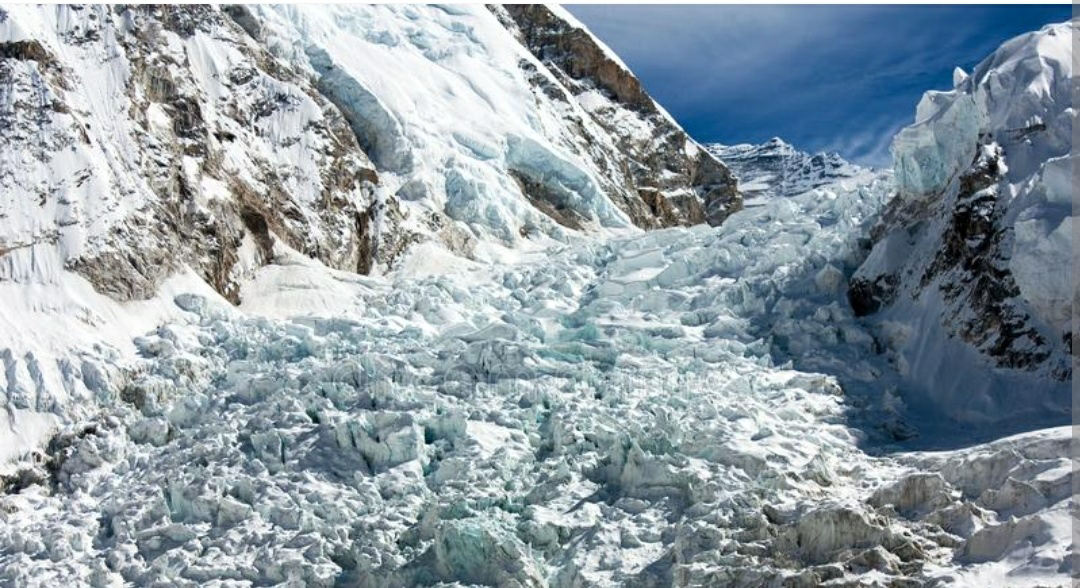
On Wednesday morning, an avalanche occurred between Everest Base Camp and Camp I, causing three Sherpa climbers to go missing in the Khumbu icefall region. Despite search and rescue teams dispatched to the scene, no progress has been made in locating the missing climbers. The search operations are still underway by a combined team of Imagine Nepal, Himalayan Rescue (HRA) Nepal, and the Sagarmatha Pollution Control Committee (SPCC), but bad weather and thick layers of snow have hindered the search process.

According to Yogesh Sapkota, marketing chief of Simrik Air, a helicopter dispatched to assist in the search operation has also not been able to provide any additional information due to the difficult search conditions. The missing climbers are identified as Da Chiri Sherpa, Pemba Tenzin Sherpa, and Lakpa Rita Sherpa, and are residents of Khumbu Pasang Lhamu Rural Municipality 5.

Despite the ongoing search and rescue operations, the process of route fixing to the summit of Mt Sagarmatha will continue. The Department of Tourism will hold discussions before making any further decisions on the search mission. With the spring climbing season in full swing, as many as 243 climbers have received permission to climb the world's tallest peak, including 41 women and 202 men. The total royalties collected this season for issuing permits to climb Mt Sagarmatha alone exceeds Rs 334 million.

"Tragedy Strikes as Three Sherpa Climbers Go Missing in Everest's Treacherous Icefall Route"

Three Sherpa climbers have gone missing in a crevasse on their way to Camp I from the base camp, according to a source at the base camp.

The incident occurred when the icefall route collapsed between Camp I and the base camp, as the climbers were carrying expedition logistics. Efforts are underway to search and rescue the missing climbers, as the treacherous conditions of the icefall pose a serious challenge. This latest incident highlights the dangers faced by Sherpa climbers and the ongoing risks involved in scaling the world's highest peak.

Japanese tourist missing in Solukhumbu-Sagarmatha region

A Japanese tourist who was visiting the Solukhumbu region, including Sagarmatha (Mt. Everest), has been missing since Chaitra 8 (March 22). The district police office in Solukhumbu has informed that 54-year-old Hitoshi Ishiba, who entered the Khumbu area without a guide, has gone missing.

According to Ram Kishor Shah, a spokesperson for the police office, Ishiba was last seen entering the checkpoint of Namche Chekpost in ward number 5 of Khumbu Pasang Lhamu Rural Municipality on Chaitra 8. On the same night, he stayed at the Chukung Resort in ward number 4 of the rural municipality and expressed his intention to go to Lobuche from there on Chaitra 9, saying he was going for a walk. However, he has not been heard from since, and news of his disappearance was reported to the police through the embassy as he was out of contact.

Temporary police posts in Dingboche and locals searched for him, but the district police office in Solukhumbu has been informed that the search has been intensified

Solo Trekkers are allow in Khumbu pasang Lhamu Municipality


Khumbu pasang lhamu Municipality has reversed Nepal Tourism Board decision to ban "solo trekking" in the Sagarmatha region, including the Everest Base Camp Trek. Khumbu Pasang Lhamu Rural Municipality has issued a notice stating that a trekking guide is not mandatory for trekkers in this area. The board and local authorities have come to an agreement, with the board stating that it will not allow free individual trekkers (FITs) to trek across the country. This decision will become mandatory for all trekkers starting from April. The board is committed to ensuring the safety, exploration, and recovery of tourists, and has decided to stop solo trekking to make it easier to locate and rescue tourists in case of accidents.

However, the Khumbu Pasang Lhamu Rural Municipality has said that a guide is not mandatory for trekking in the area, but it has advised trekkers to take a guide for their safety during high-altitude trekking. According to the board's decision, all trekkers must travel with a trekking guide from April, and the board will issue a trekking information management system (TIMS) card at a fixed price to all trekkers who need it. But, the local authorities will issue a trekking card costing NPR 2,000 for trekkers in the Khumbu region.

National Parks have also increased the entry fee for foreigners to NPR 3,000, while local tourists will have to pay NPR 1,000. The government has also increased the rescue insurance fee to NPR 1,000 for local tourists and NPR 4,000 for foreign tourists. The decision was made to cover the cost of rescuing injured tourists in the mountainous regions

ADSENSE MID SLOT