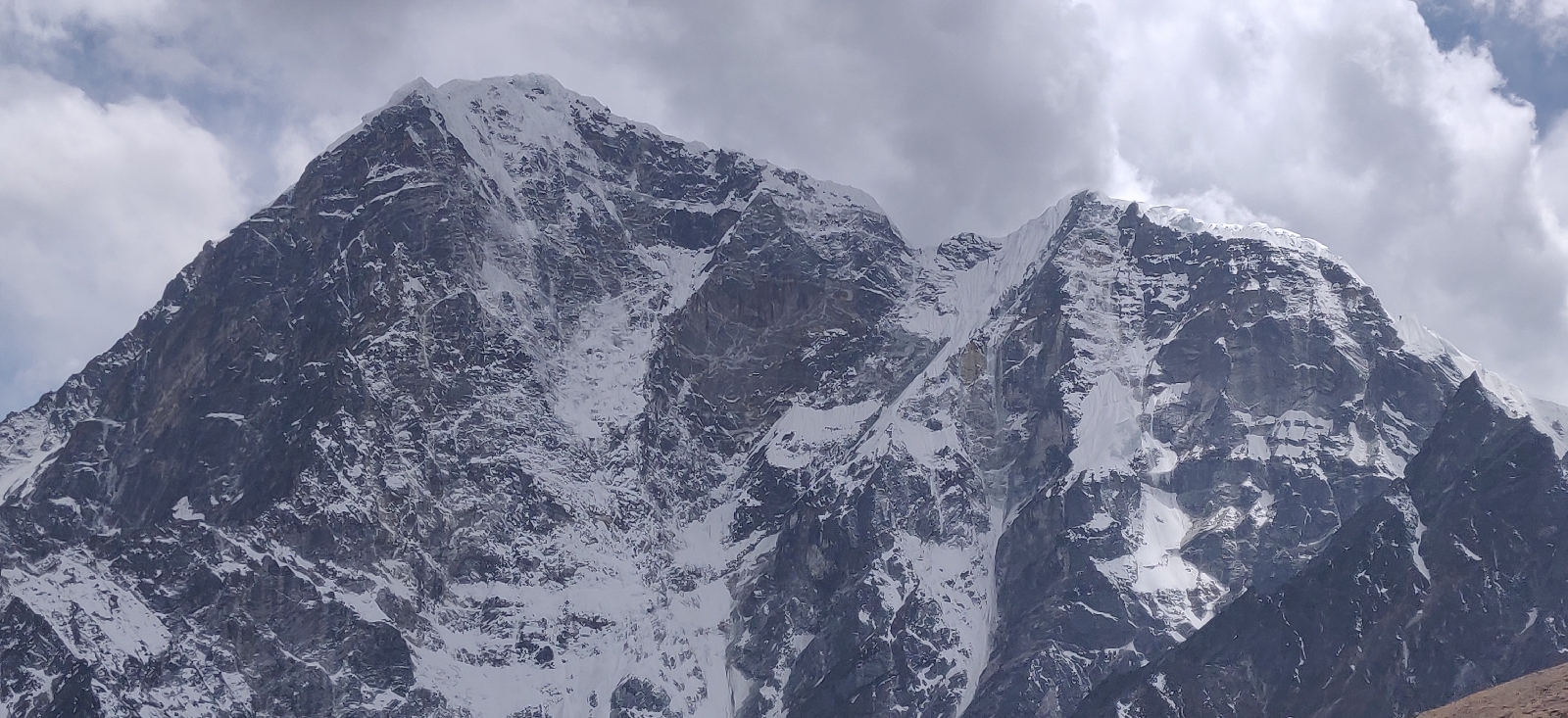
Yeti Airlines 9N-ANC plane crash in Pokhara: Efforts to recover 14 dead bodies found in Seti Khonch continue
Conquering Everest: The Unsung Heroes of High-Altitude Mountaineering
The Sherpas, an ethnic group native to the Solu-Khumbu region of Nepal, have a long history of living and working in the high altitude of the Himalayas. They are known for their physical strength, endurance, and adaptability to extreme environments, traits that have made them invaluable to mountaineers attempting to reach the summit of Everest.
For decades, Sherpas have served as guides, porters, and support staff for climbing expeditions to the mountain. They are responsible for setting up camp, fixing ropes, and carrying supplies up the mountain, often at great personal risk. Despite their important contributions, Sherpas are often underpaid and undervalued, with little recognition for the dangers they face on a daily basis.
One such danger is the risk of altitude sickness, a condition that can be fatal at high elevations. Sherpas are trained to recognize the symptoms of altitude sickness and take the necessary precautions to prevent it, but they are not immune to the effects of the thin air. In 2014, 16 Sherpas lost their lives in an avalanche on the mountain, highlighting the inherent risks of high-altitude mountaineering.
Despite these challenges, the Sherpas continue to play a vital role in the success of climbing expeditions to Everest. Without their hard work and dedication, it is unlikely that the mountain would have been conquered as many times as it has been.
It is time for the world to acknowledge and appreciate the contributions of the Sherpas to the history of mountaineering on Everest. These unsung heroes deserve recognition for their bravery and sacrifice in the pursuit of human achievement.
The Epic Tale of Everest and the Sherpas: A bond forged in the world's highest peaks
Mount Everest, the highest peak in the world, stands tall at a majestic 29,029 feet above sea level. Located in the Himalayas, the mountain has long been a source of fascination and inspiration for climbers from all corners of the globe.
But for the local Sherpa people, Everest holds a special place in their hearts. The Sherpas, who hail from the Solu-Khumbu region of Nepal, have a deep spiritual connection to the mountain and have played a crucial role in the history of its exploration.
Since the first successful ascent of Everest by Sir Edmund Hillary and Tenzing Norgay in 1953, the Sherpas have played a vital role in assisting climbers on the mountain. They are known for their strength, endurance, and bravery, as well as their expert knowledge of the mountain and its routes.
The Sherpas are responsible for setting up camps, carrying gear and supplies, and fixing ropes and ladders on the mountain. They also serve as guides, helping climbers navigate the treacherous terrain and making sure they stay safe.
But the relationship between the Sherpas and Everest is not without its challenges. The mountain can be an unforgiving and dangerous place, and Sherpas have lost their lives while working on it. In 2014, an avalanche killed 16 Sherpas, bringing attention to the risks they face and the need for better safety measures.
Despite these challenges, the bond between the Sherpas and Everest remains strong. The mountain holds a special place in their culture and identity, and the work they do on it is seen as a way to honor their ancestors and make a living.
The story of Everest and the Sherpas is one of adventure, resilience, and a deep connection to the land. It is a tale that has inspired countless climbers and will continue to do so for generations to come
"Nepal: A Prime Destination for Tourism in 2023"
Nepal, a small country located in South Asia between China and India, is quickly gaining recognition as a top destination for tourism. With its diverse culture, stunning natural beauty, and rich history, Nepal has something to offer for every type of traveler.
In 2023, Nepal is expected to be a particularly attractive destination for tourists, due to several exciting developments in the country. First and foremost, Nepal has successfully managed the COVID-19 pandemic and has implemented safety measures to protect tourists and locals alike. This means that travelers can visit Nepal with confidence, knowing that they will be safe and well taken care of during their trip.
Another major reason to visit Nepal in 2023 is the abundance of outdoor activities available. From trekking in the Himalayas to rafting in the white-water rivers, Nepal offers a wide range of opportunities for adventure and exploration. The country is also home to a number of national parks, where tourists can spot rare and endangered species of flora and fauna.
For those interested in cultural experiences, Nepal has much to offer as well. The country is home to a number of ancient temples and monasteries, as well as traditional villages where visitors can learn about the local way of life. Additionally, Nepal is known for its vibrant festivals and celebrations, which provide a unique opportunity for tourists to immerse themselves in the culture of the country.
Overall, Nepal is a destination that should not be missed in 2023. With its beautiful landscapes, rich culture, and abundance of outdoor activities, Nepal is sure to be a top choice for tourists looking for an exciting and memorable vacation
Pelé: The King of Football and His Contribution to the Beautiful Game
Pelé, widely regarded as the greatest footballer of all time, has made countless contributions to the sport of football. Born Edson Arantes do Nascimento in Brazil in 1940, Pelé began his career as a professional footballer at the young age of 15, signing with Santos FC. He quickly made a name for himself, scoring an impressive number of goals and leading Santos to numerous victories.
Pelé's impact on football extends far beyond his impressive goal tally and the success he brought to his club team. He was also a key player for the Brazilian national team, helping lead them to victory in three World Cups (1958, 1962, and 1970). His impressive skills and leadership on the pitch made him a beloved figure in Brazil and around the world.
In addition to his success on the pitch, Pelé has also made significant contributions to the sport off the field. He has served as an ambassador for football, promoting the sport and its values around the globe. He has also worked to promote social causes, using his platform to advocate for issues such as poverty and environmental protection.
Pelé's influence on football cannot be overstated. He has inspired countless young players to pursue their dreams of becoming professional footballers, and his legacy will continue to be felt for generations to come. He is truly the King of Football, and his contributions to the sport will be remembered and celebrated for years to come.
"The Legendary Ascent of Tenzing Norgay and Edmund Hillary: The First Successful Summit of Mount Everest"
Tenzing Norgay, also known as Namgyal Wangdi, was born in 1914 in a small village in Nepal. He was the son of a Sherpa yaksher, or a person who raises yaks for a living. From a young age, Tenzing was drawn to the mountains and spent much of his childhood exploring the peaks and valleys of the Himalayas. He eventually became a professional mountain guide and led numerous expeditions to various peaks in the region.
Edmund Hillary was born in 1919 in Auckland, New Zealand. He developed a love for climbing at an early age and quickly became an accomplished mountaineer. In 1952, he participated in an expedition to Makalu, the fifth highest peak in the world, where he met Tenzing Norgay for the first time.
In 1953, the two men were selected to be part of a British expedition to Mount Everest, led by John Hunt. The team spent months preparing for the climb, including acclimatizing to the high altitude and practicing various climbing techniques. On May 29, 1953, Tenzing and Hillary made their final push to the summit, reaching the top at 11:30 a.m. local time.
Their historic achievement made headlines around the world and cemented their place in mountaineering folklore. Tenzing and Hillary became international celebrities and were celebrated for their bravery and determination. They went on to participate in numerous other expeditions and became ambassadors for their respective countries.
Tenzing Norgay passed away in 1986, but his legacy lives on through the Tenzing Norgay Adventure Award, which is given annually to recognize individuals who have made significant contributions to the field of adventure. Edmund Hillary passed away in 2008, but his memory is kept alive through the work of the Sir Edmund Hillary Foundation, which works to improve the lives of the people of the Solu-Khumbu region of Nepal.
Today, the names of Tenzing Norgay and Edmund Hillary are synonymous with courage, determination, and the pursuit of excellence. Their historic ascent of Mount Everest stands as a testament to the human spirit and the power of teamwork and friendship.
The Nepalese Himalayan mad honey that makes people Hallucinate
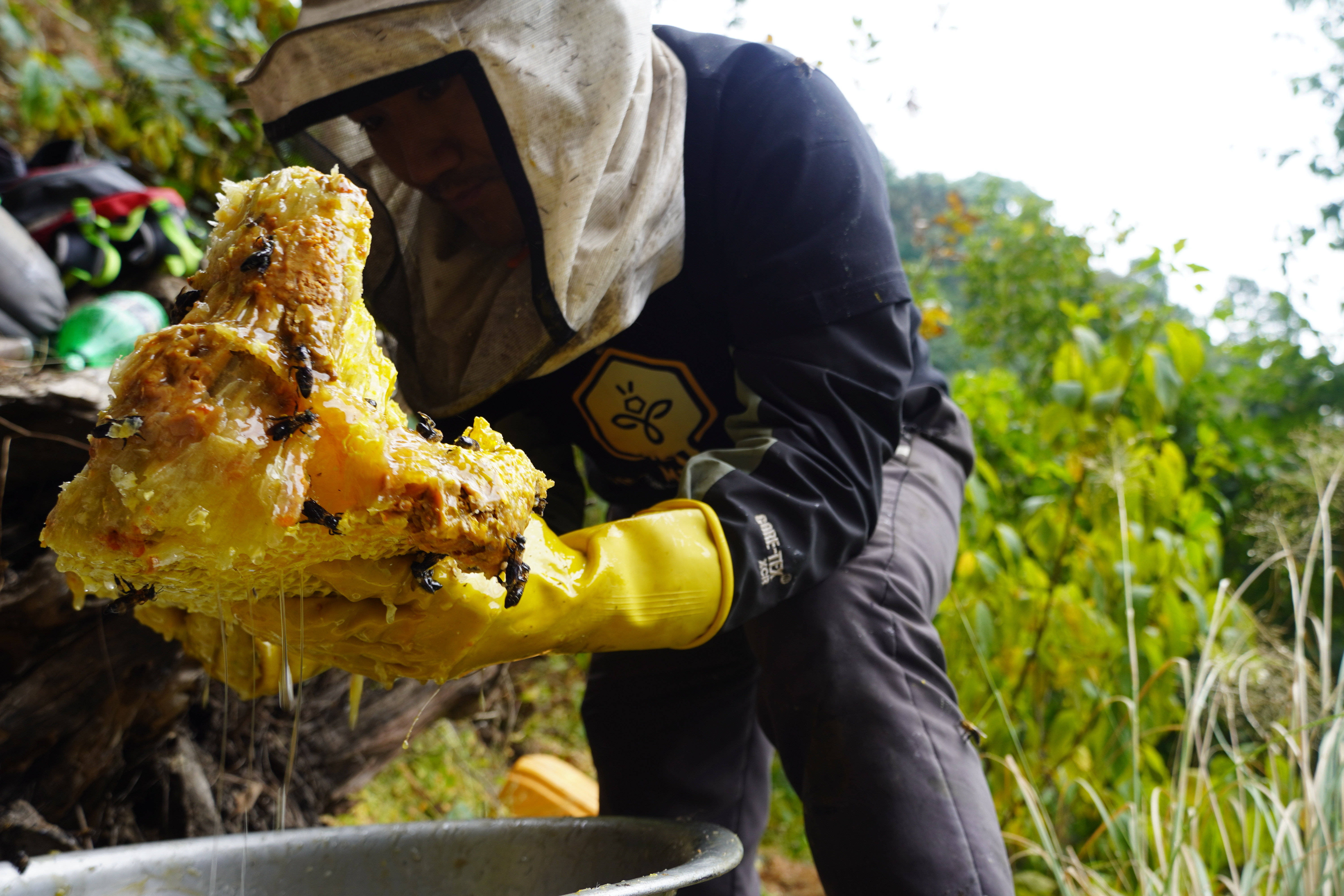
The Himalayan honey (Cliff mad Honey )is 100% natural and organic carefully collected from the cliff in keeping with the traditional and rare honey hunting methods. Honey in the months of May and June is quite different from the other usual varieties of honey. It is in these months that herbal plant flowers and over 28 varieties of rhododendron flowers bloom in the Himalayan region. The many types of flowers attract the giant Himalayan bee to suck nectar and pollen from certain types of flowers and collect honey.The honey thus collected is rare and is rich in medicinal properties packed with hallucinogenic compounds. The special honey has many types of health benefits with increasing immunity power, and this honey is antique and rare, which is not available anywhere else in the world. This honey is also psychedelic. and is taken in very little quantities. Consumption of mad honey if taken even in slightly higher quantities can lead to hallucination with symptoms of behaving funnily, feeling unstable and light-headed, loss of consciousness, chills, and sinking in some parts of one’s body. There are special honey hunting places, some in villages, and some in Kathmandu. Those who take quite a large amount of honey risk go into a coma for a few hours but they soon wake-up. Honey hunting is quite risky Hunters use traditional hunting equipment. There have been incidents of accident in the past where honey hunters have gone on cliff to see bee colony before honey hunting without wearing bee safety on face.The bees stung them and they lost their balance and fell to their death. Honey hunters have recently started using proper belay, but they still rely on traditional ropes and rope ladders. They have been hunting from a long time and the tradition has been passed on to them by their forefathers. Honey hunting tradition is being transferred from one generation to the next.Mostly, the honey hunting area lies in the remote regions of Himalayas with poor connectivity to the cities, making traditional honey hunters oblivious to modern equipment. They suspect modern methods and choose to stick to their traditional equipment. The demand for Himalayan honey is tremendously rising for its medicinal properties. One can sell more than 4,000 kilos annually to foreign clients as well as Nepali clients. A Himalayan village which has the honey hunting area will have one or two families engaged in honey hunting. In addition, other villagers will accompany them and help them in honey hunting. A single group can earn up to 1,000 USD to 3,000 USD. The largest chunk of money is earned by the man who climbs up on the rope ladder and harvests honey on the cliff. Most hunters are farmers from the village and their main job is framing and growing food for their own use.Cliff mad honey hunting is only a seasonal job for them that offers hem good money. These areas do not have any tourists. There will be some who would venture into these areas without paying tourist costs. Since honey hunters are too busy in their risky pursuits, they hardly find time to interact with tourists, but with tourist costs being regulated, the honey hunters as well as villagers can guide tourists through the entire area. Some of these people have been visited by journalists and photographers, however, not everyone can walk with them in the honey hunting area as they are capricious and far from the village, and some are really afraid of bees. Climbing up the rope ladder sometimes gets excruciating because of small shoes. The pandemic caused by Covid19 boosted the sales of this honey due to its medicinal properties which boosted immunity. I want to connect with all honey hunters from Nepal and collect honey directly with them by managing staff. Because the honey demand is rising. And this is a natural and limited product. So, I am planning to add another special product line under this company.
Sanu Sherpa Scaled Mt Gangchepo for the first time
Sherpa captured many Rare wildlife photograph in His camera
Robin Basnet Became the Winner of Solukhumbu Trail Race
Kittiya Pawlowski has captured a fascinating photo of a snow leopard in the Everest region
Five people have taken permission to climb Everest in autumn
Five people have taken permission to climb Everest in autumn. According to the Department of Tourism, 5 people from 1 group have received permission to climb Mount Everest. Autumn is not considered a suitable season for climbing Mt Everest.Mountaineer Christine Harila has returned home after her attempt failed
The famous Norwegian mountaineer Christine Harila, who came to Nepal to break the record of the world famous climber Nirmal Purja, has returned home after her attempt failed.
Harila, who came to Nepal with the determination to climb 14 mountains higher than 8,000 meters in a period of 6 months, returned after she did not get permission from China, and postponed her climbing attempt for next year. However, Harila has climbed 12 out of 14 Peaks. She had to climb Choyu and Sisapang to complete the journey of 14 Peaks. however to climb those two mountains, only the China route is considered easy.
Sherpa language application launching in October
The historic moment to preserve and promote Sherpa
language.
Global Sherpa Association - GSA World Sherpa Association has
arranged that the Sherpa language can be easily read, heard and translated by
everyone through #Apps apps, keeping in view the development of modern
technology, needs and conditions of the changing society. We would like to
inform everyone that the historic opening will be held this October 8th, 2022,
on the occasion of Global Sherpa Day.
This
effort of the global Sherpa Association will surely help the common Sherpas and
non sherpas all over the world especially the new generation of Sherpas. Its historical identity has provided an opportunity to easily learn the
Sherpa language, as well as for non-Sherpas who want to research or learn the
Sherpa language; this app can be an important useful tool for them.
Young and energetic Climber Dawa and team scaled Mount Board Peak
Dawa is a young sherpa climber from solukhumbu who started his mountaineering career in his early age. His father used to do trekking in different part of Nepal also used to climb peaks. Dawa also decided to be a mountaineer seeing his fathers career. Now he is 36 and he climbed Everest 8848 more than 6 times.
This year 2022 he is in the team to climb mount K2 which is the second highest mountain in the world. in july 05 2022 Mr Dawa and his team scaled Board peak 8051M the twentieth highest mountain in the world. Now they are looking for next window to Summit Mount K2 .Team sherpa wish him all the Good luck for his new project
Tara air 9N AET was Crash confirmed 14 dead body were collected
The Tara air 9N AET flight was departed yesterday from pokhara airport to Jomsom Mustang with 19 passengers and 3 flight member. Flight was missing after 10 am yesterday after few second contact with jomsom ATC.
Nepal army , Nepal police and flight authorities were involved in searching team but unfortunately they couldn't find the crash location and flight sitaution due bad weather. Monday Morning Yersa Gomba searching team found the crashed location and infromed to authorities. Crashed location is kobang Sunsare Mustang. which is closed to ManPati Mountain. As per the local the dead bodies were hard to indentify. None of passengers and crew members were found alive. 9N AET was flying captain Prabhakar Ghimire.14 dead body were collected by the searching team. all the dead body are bringing kathmandu today.
news source news24/Ratopati/onlne khabar
Government of Nepal issued new protocol for tourist
The Ministry of Culture, Tourism and Civil Aviation has issued guidelines for foreign tourists to follow in order to minimize the possible spread of coronavirus infection while conducting trekking and mountaineering activities. The foremost condition laid out by the Tourism Ministry is that the tourists must secure an entry-visa or an entry-permit in absence of visa-provision in their countries in co-ordination with respective agencies. Likewise, the travelers must carry with themselves a PCR test report conducted not more than 72 hours ago, attesting that the person has tested negative for Covid-19. Along with the report, the traveler must have booking-documents for the hotel wherein they will stay for at least seven days in quarantine. Furthermore, the person must provide papers proving they have insurance of USD 5,000. In addition to the above-mentioned conditions; the traveler must also undergo a PCR test at their own expense on the fifth day of being quarantined. They may proceed for the purported activity at the end of the quarantine period only on testing negative for the disease. If the test results in a positive, the person must stay in quarantine for as long as they do not test negative. The Ministry also states that the trekking or mountaineering agency must ensure travelers from Nepal against coronavirus for a sum of Rs 100,000 prior to applying for the permit. Travel enthusiasts must also abide by all the protocols layout by the Ministry of Health of Nepal. Meanwhile, eight-time Everest summiteers Pemba Sherpa criticized new protocols saying there will be no trekkers and mountaineers in the upcoming season. “They won’t come here to stay at a hotel for a week even after having a negative PCR report,” Sherpa who is also chairman at Adventure Ascent said. He further asked the government to review its decision.
Snow leopard Ang Rita sherpa no more with us

Ang Rita Sherpa, popularly known as the ‘snow leopard’ in the mountaineering community, has passed away this morning, according to family sources. He was 72. “The legendary climber breathed his last at around 10:40am at his residence in Jorpati,” his neighbor Mingma Sherpa, who is also chairman at Yambu Thamichho Kydug, confirmed. Ang Rita is survived by two sons and a daughter. The reason behind his death is not known yet. Sherpa was awarded a Guinness World Record certificate for making the most number of successful ascents on Mt Everest without using the supplemental oxygen. Sherpa made it to the top of the world for the 10th time in 1996 without using bottled oxygen. Ang Rita reached the summit of Mt Everest eight times via the Southeast Ridge route, according to a record maintained by the Department of Tourism. Ang Rita has received two Guinness World Records for the most climbs of Mt Everest without supplementary oxygen i.e 10 times and the ”His first winter climb of Mt Everest without supplementary oxygen was in 1987.”
news sources : The Himalayan Times
domestic airline operators to operate flights with full occupancy

A meeting
held at the Ministry of Culture, Tourism and Civil Aviation today decided to
allow domestic airline operators to operate flights with full occupancy. The
government was forced to backtrack on its earlier direction after the airline
operators refused to operate flights unless the government allows full
occupancy in flights in the domestic sector. Earlier, the government had
proposed airline operators to operate flights carrying only 50 percent
passengers. Rather they were requested to increase airfare. However, the
airline operators had turned down the government’s request citing their losses
and that passengers would not be able to afford the expensive airfare. But now
that the government has relented, the airline operators have announced that
flights in the domestic sector will resume from September 21. “Airline
operators were already facing huge losses due to the pandemic and the
government’s proposal to operate flights with only 50 percent occupancy was
not practical. Moreover, hiked airfare would discourage passengers from
flying. Thus, we had refused to operate flights as per the earlier direction,”
said Yograj Kandel, spokesperson for the Airline Operators Association of Nepal. With
a slogan of ‘Flight safety is our commitment’, the Airline Operators
Association of Nepal issued a notice today informing passengers that the
flights will begin to all regular sectors. The notice has further requested all
the domestic airline companies and passengers to follow the health safety
protocols properly. To regulate the domestic aviation sector, the Civil Aviation
Authority of Nepal has issued ‘Guidance to Airlines, Airports and Ground
Services for Operations during COVID-19’. Airline operators have also issued
their own Standard Operating Procedures. Domestic flights have been halted
since March in an attempt to prevent COV- ID-19 from spreading. However, the operation of emergency flights, cargo flights, and chartered flights has been
allowed with special permission from CAAN. During today’s meeting, the
government decided to allow airline operators to operate only 25 percent of
their regular flight schedule. Earlier, the government had said airline
operators could operate 30 percent of their allotted slots.
The News
Sources: The Himalayan Times